Can you picture your perfect San Francisco day? Maybe it is a sunny stroll to a café before an easy Muni ride downtown. Or maybe it is a long walk on Ocean Beach after a morning bike through Golden Gate Park. If you are torn between West Portal and the Outer Sunset, you are not alone. This guide breaks down homes, transit, microclimate, value drivers, and real tradeoffs so you can choose with confidence. Let’s dive in.
Quick snapshot: Sunset vs West Portal
Outer Parkside / Outer Sunset
- Daily vibe: Coastal energy with quick access to Ocean Beach and the western edge of Golden Gate Park.
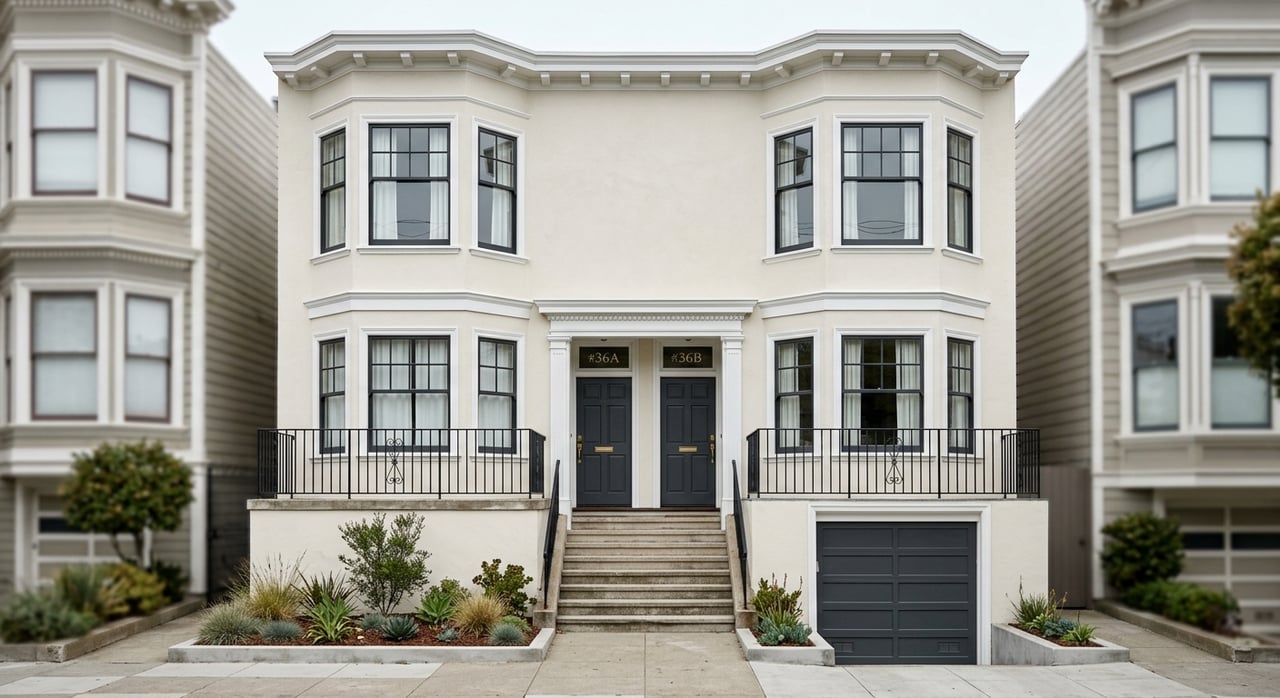
- Homes: Mix of flats, smaller single-family houses, duplexes, and some mid-century styles. Condition can vary widely.
- Transit: Surface light rail and buses along Judah and Taraval. Longer rides to downtown at surface speeds.
- Microclimate: Cooler, windier, and foggier on average.
- Value drivers: Ocean and park access, more multi-unit options, and relative affordability compared with some central areas.
West Portal
- Daily vibe: Compact, walkable village organized around West Portal Avenue and the Muni hub.
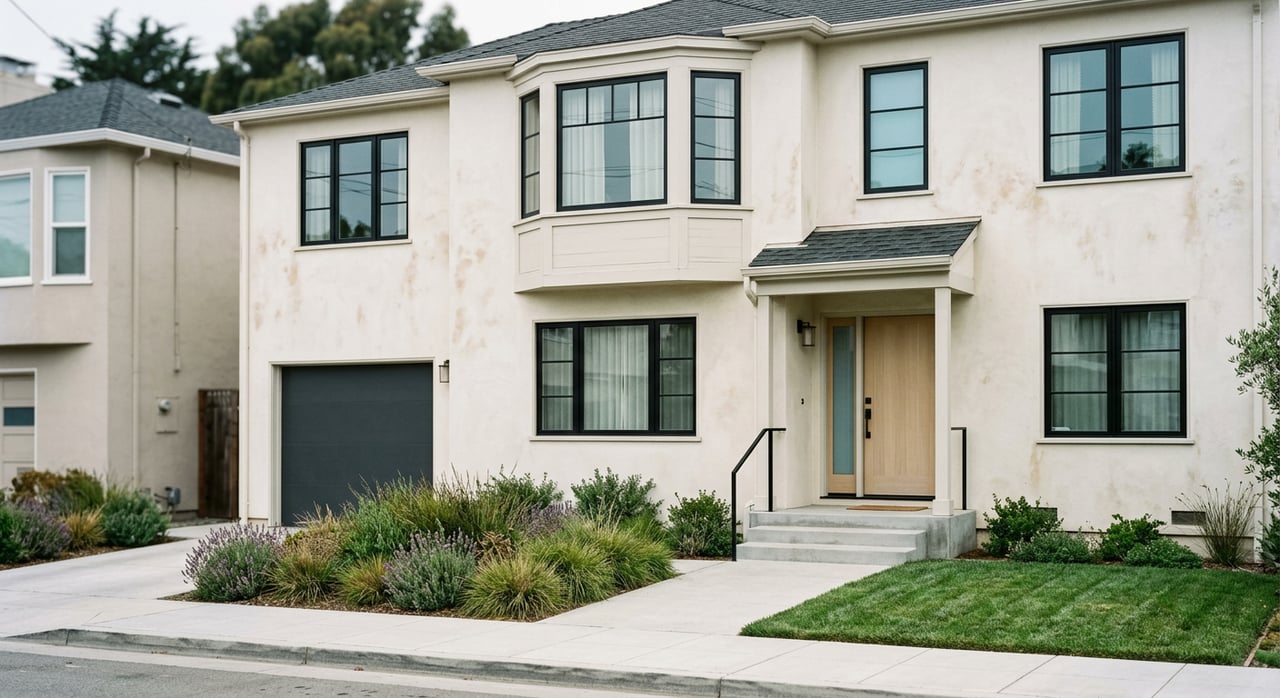
- Homes: Predominantly single-family from the 1920s–1940s, plus low-rise multi-units. Often larger or more regular lots.
- Transit: Direct Muni Metro access through the Twin Peaks tunnel for a faster ride into downtown.
- Microclimate: More sheltered and sunnier relative to coastal neighborhoods.
- Value drivers: Village amenities, year-round outdoor usability, and single-family scarcity that often commands a premium.
Housing stock and renovation potential
Outer Sunset homes
You will see a mix of two- and three-unit flats, smaller single-family homes, and duplexes. Many exteriors keep their period look, while interiors range from original to fully remodeled. Lots often run deep with rear yards and some alley access, which can help with storage or project staging. If you want flexibility for rental income or a house-with-flat setup, this side of town tends to offer more options.
West Portal homes
West Portal leans single-family, with character homes from the 1920s–1940s and smaller multi-units sprinkled in. Many properties have been updated over time while keeping original charm. Parcels are often a bit larger or more regular than some Sunset lots, and the tree canopy stands out on walks. If you prioritize a private yard and a classic village setting, this neighborhood often fits.
Getting around: transit, walking, parking
West Portal’s transit advantage
West Portal station is a Muni Metro hub with multiple lines running through the Twin Peaks tunnel into the city center. Because trains run in a grade-separated tunnel, the ride is typically quicker and more predictable than surface routes. If a short, reliable Muni commute is a top priority, explore Muni Metro service and time your ride from West Portal during peak hours.
Sunset surface lines and biking
The Outer Sunset relies on surface light rail along Judah and Taraval and bus routes along major corridors. These lines reach downtown but operate at street level, which can add time and variability. Review SFMTA route maps and try both peak and off-peak rides to test your comfort. Many residents lean on biking to Golden Gate Park and the beach, making recreational trips fast and simple.
Walkability and errands
West Portal Avenue concentrates cafés, restaurants, shops, and services on one short stretch. You can often handle daily errands on foot within minutes. In the Outer Sunset, retail clusters exist along Irving, Judah, and Taraval, but they are more spread out. The flip side is outstanding recreational walkability to Ocean Beach and the park.
Parking and two-wheels
Street parking exists in both areas, with permit rules on many blocks. West Portal’s active commercial corridor can make errand parking competitive. Sunset residential streets often feel more permissive for parking, though it still varies block to block. Bike routes to the beach and park are direct on the west side; from West Portal, you can connect into central bike corridors but should expect some uphill segments.
Microclimate you will actually feel
Outer Sunset weather
Closer to the Pacific, the Outer Sunset is cooler, windier, and foggier on average. Late-summer fog and afternoon wind are common. Outdoor spaces can be wonderful for quick coffee breaks, surf checks, and weekend hangouts, but many residents plan for layers and wind breaks. The marine environment increases exposure to salt and wind, so exterior materials may need more maintenance.
West Portal weather
West Portal sits inland of Twin Peaks and often sees less fog, lighter winds, and more consistent sun than the coast. That extra shelter helps yards, patios, and gardens stay usable more days of the year. If regular afternoon sun matters to you, this neighborhood is more likely to deliver.
For a feel that goes beyond the forecast, visit at multiple times of day. You can also skim the National Weather Service’s regional discussion to understand how topography shapes local conditions.
Value drivers, zoning, and resale
Why buyers pay up in West Portal
- Rapid access to downtown via the Muni Metro hub.
- A compact, walkable village with daily needs close by.
- More stable, sunnier microclimate and strong yard usability.
- A single-family heavy housing mix that stays in demand.
Why the Outer Sunset holds appeal
- Proximity to Ocean Beach and Golden Gate Park for a true outdoor lifestyle.
- A broader mix of flats and multi-units that can suit investors and buyers seeking flexibility.
- Historically more square footage for the budget compared with some inner neighborhoods.
Zoning and permit basics
San Francisco zoning can change block by block, and rules shape what you can do with a property. Common designations like RH-1, RH-2, and neighborhood commercial zones each carry different allowances. Multi-unit conversions and additions often require planning review and can trigger extra requirements. Start early with the San Francisco Planning Department’s zoning and permit guidance to check parcel-specific rules and timelines.
Renovation planning in context
Older flats may need structural, electrical, or plumbing upgrades, while single-family projects can range from cosmetic refreshes to foundation and seismic work. Permitting timelines in San Francisco can be lengthy, so build that into your budget and schedule. Contractors who understand local code and soft-story requirements can save time and stress.
Resale considerations
West Portal homes often see lower days on market and stronger price per square foot for similar condition because of transit access and the village feel. Outer Sunset properties can attract a wide pool of lifestyle buyers and investors, but pricing often reflects weather exposure, renovation needs, and proximity to beach and park access. If you plan to resell, weigh how your home’s location and condition align with these demand patterns.
Who thrives where?
The Transit-Focused Commuter
- Best fit: West Portal
- Why: Short, predictable Muni ride and easy walks to the station.
- Tradeoffs: Smaller inventory and a price premium near the village.
The Outdoor/Ocean Lifestyle Seeker
- Best fit: Outer Sunset
- Why: Daily access to Ocean Beach and Golden Gate Park plus bike routes.
- Tradeoffs: Cooler, foggier weather and longer surface-run transit times.
The Renovator or Investor
- Best fit: Outer Sunset
- Why: More flats and multi-unit options that allow flexible occupancy or rental income potential.
- Tradeoffs: Older buildings may need significant upgrades and longer permits.
The Walkable-Village Lifestyle Buyer
- Best fit: West Portal
- Why: Cafés, shops, and services within a short stroll on a compact corridor.
- Tradeoffs: Tight inventory and stronger competition for village-adjacent homes.
If you want a quick way to compare overall walkability, browse the neighborhood pages on Walk Score and then test the difference with your actual routines.
Try this 90–120 minute tour
Start in West Portal (morning)
- Walk West Portal Avenue and note the mix of cafés, shops, and services. Check parking around the commercial strip.
- Ride Muni from West Portal station through the Twin Peaks tunnel to a central stop. Track door-to-door time and frequency both directions.
- Tour nearby single-family streets to see lot sizes, yard usability, and street canopy.
Midday transfer to the Outer Sunset
- Head to the Irving or Judah corridor for lunch and a feel for local retail.
- Walk into the western third of Golden Gate Park and then out to Ocean Beach. Note wind, fog, and sun patterns.
- Tour a couple of flats or small single-family homes on quieter blocks. Look at rear-yard access, garage setups, and street parking.
End with a commute test
- Ride a Sunset surface line into downtown at off-peak, then repeat at a peak time if possible. Compare comfort, speed, and reliability with West Portal.
- Plan a second visit: evening dinner in West Portal or a sunrise beach walk in the Outer Sunset to stress-test your lifestyle fit.
How to decide
Use this quick checklist:
- Commute: Direct Muni hub vs surface routes. Time both at peak and off-peak.
- Microclimate: Preference for sun and shelter vs comfort with fog and wind.
- Outdoor priorities: Ocean and park at your doorstep vs tree-lined blocks and inland parks.
- Home type: Single-family focus vs more flats and multi-unit choices.
- Renovation appetite: Willingness to take on upgrades and longer permits.
- Budget and resale: Village and transit premium vs more space for the budget.
- Parking and bikes: Desire for car convenience vs bike-first lifestyle.
Ready to tailor a plan to your goals, budget, and timing? Reach out for a paired neighborhood tour and a property shortlist that fits how you live.
If you want a clear strategy for your move or investment, connect with Matt Ciganek for data-forward guidance and a personalized plan.
FAQs
What is the key transit difference between West Portal and the Outer Sunset?
- West Portal offers direct Muni Metro service through the Twin Peaks tunnel for a faster ride downtown, while the Outer Sunset relies on surface light rail and buses with slower, street-level speeds; check Muni Metro service details and SFMTA route maps.
How do West Portal and the Outer Sunset differ in microclimate?
- West Portal is generally more sheltered and sunnier, while the Outer Sunset is cooler, windier, and foggier due to ocean exposure; see the National Weather Service’s regional overview for context.
What types of homes are common in West Portal versus the Outer Sunset?
- West Portal leans toward single-family homes from the 1920s–1940s with some low-rise multi-units, while the Outer Sunset offers a wider mix of flats, smaller single-family houses, and duplexes with varied condition.
What zoning or permit issues should I expect in these neighborhoods?
- Zoning changes block to block and renovations may require planning review; always verify parcel-specific rules with the San Francisco Planning Department’s zoning and permit guidance before you bid or design.
How do maintenance needs differ near the ocean compared with inland areas?
- Properties in the Outer Sunset face more marine exposure, which can increase exterior maintenance, while West Portal’s inland shelter often reduces wind and salt impacts on materials.