Wondering how to price a St. Francis Wood home without leaving money on the table or turning buyers away? In a neighborhood known for historic architecture, landscaped parkways, and a small supply of single-family homes, selling well usually comes down to two things: precise pricing and thoughtful preparation. If you want to understand what matters most before you list, this guide will help you focus on the steps that can support a stronger, cleaner sale. Let’s dive in.
Why St. Francis Wood pricing is different
St. Francis Wood is not a typical cookie-cutter neighborhood. According to the St. Francis Homes Association, the neighborhood includes 561 single-family homes across about 127 acres, with parkways, landscaped medians, and a historic layout that dates back to the early 1900s.
That small, cohesive housing stock can make pricing more nuanced. Many homes have distinct architecture, different levels of preservation, and varied update histories, so broad citywide averages often do not tell the full story.
SF Planning materials cited by the neighborhood association identify St. Francis Wood as a National Register-listed historic district with RH-1(D) zoning and a 40-X height and bulk district. In practical terms, that means buyers often place real value on architectural integrity, curb appeal, and how well a home fits the neighborhood’s character.
Use comps, not headlines
It is tempting to anchor your expectations to one eye-catching number, but that can be risky in a small neighborhood. The research shows that one February 2026 median sale price figure for St. Francis Wood reflected just one closed sale, which means a single transaction could skew the monthly picture.
A better approach is to build pricing from the closest comparable sales and then adjust carefully. In St. Francis Wood, that usually means looking at homes with similar lot size, architectural style, condition, level of updating, and overall presentation.
For broader market context, the California Association of Realtors reported that San Francisco County’s February 2026 median sold price for existing single-family homes was $1,976,000, up 23.5% year over year, with a median 29 days on market. Statewide, the single-family sales-to-list-price ratio was 99.3%, which suggests that well-priced homes were still selling very close to asking price.
What smart pricing looks like
The strongest pricing strategy usually starts with realism, not optimism. If your home is move-in ready, visually polished, and true to the neighborhood’s architectural feel, you may be in a better position to attract strong early interest.
If your home needs visible repairs or has dated finishes, pricing should account for that upfront. Buyers in a high-value neighborhood still notice deferred maintenance, and they often factor future work into what they are willing to offer.
A thoughtful pricing plan should consider:
- Recent nearby single-family sales that closely match your home
- Lot size and usable outdoor space
- Architectural character and condition
- Quality and recency of updates
- Landscaping and curb appeal
- Inspection and disclosure considerations that may affect buyer confidence
Why the first two weeks matter
When a home is priced and presented well, the market can move quickly. The neighborhood research noted that over the last 12 months, St. Francis Wood homes were described as very competitive, with many receiving multiple offers and a typical pending time of about 11 days.
At the same time, sellers should keep expectations grounded. Countywide data showed a 29-day median time on market in February 2026, and small neighborhood sample sizes can make timing look faster or slower than it really is.
That is why the first 1 to 2 weeks after launch are so important. This is usually when buyer attention is highest, and it is often the clearest test of whether your pricing and presentation are aligned with the market.
Preparation starts with disclosures
For many sellers, preparation means paint, staging, and landscaping. Those things matter, but your prep plan should also start with disclosures and documentation.
California sellers of one-to-four-unit residential properties must deliver a Real Estate Transfer Disclosure Statement, and the seller’s agent must conduct a reasonably competent and diligent visual inspection and disclose material facts affecting value, desirability, or intended use. Natural hazard disclosures are also required under state law, as outlined in California Civil Code section 1102.3.
Because many St. Francis Wood homes were built between 1912 and 1954, lead-based paint disclosure rules often apply. The historic district documentation referenced in the research report notes that many homes are pre-1978 and often pre-1960, which means sellers typically need to disclose any known lead hazards, provide the EPA pamphlet, and allow a 10-day buyer inspection opportunity under federal rules.
For many pre-1960 light-frame homes, California also expects delivery of the Homeowner’s Guide to Earthquake Safety. Known conditions such as missing foundation anchor bolts, unbraced cripple walls, or an improperly braced water heater should be disclosed if known.
Fix what buyers can see
You do not need to turn a historic home into something it is not. In fact, late-stage major façade or structural changes can create more complexity than value if they are not fully planned and completed.
Instead, most sellers benefit from focusing on visible issues that are likely to stand out during showings or inspections. The California Department of Real Estate notes that the inspection standard for agents is a reasonably competent and diligent visual inspection, not a full engineering or permit audit, which reinforces the value of addressing obvious defects before listing, as summarized in the DRE reference materials.
Useful pre-list improvements often include:
- Touching up peeling or worn paint
- Repairing obvious roof or drainage issues
- Replacing worn fixtures or hardware
- Addressing visible safety items
- Refreshing landscaping and entry areas
- Cleaning up deferred maintenance that could distract buyers
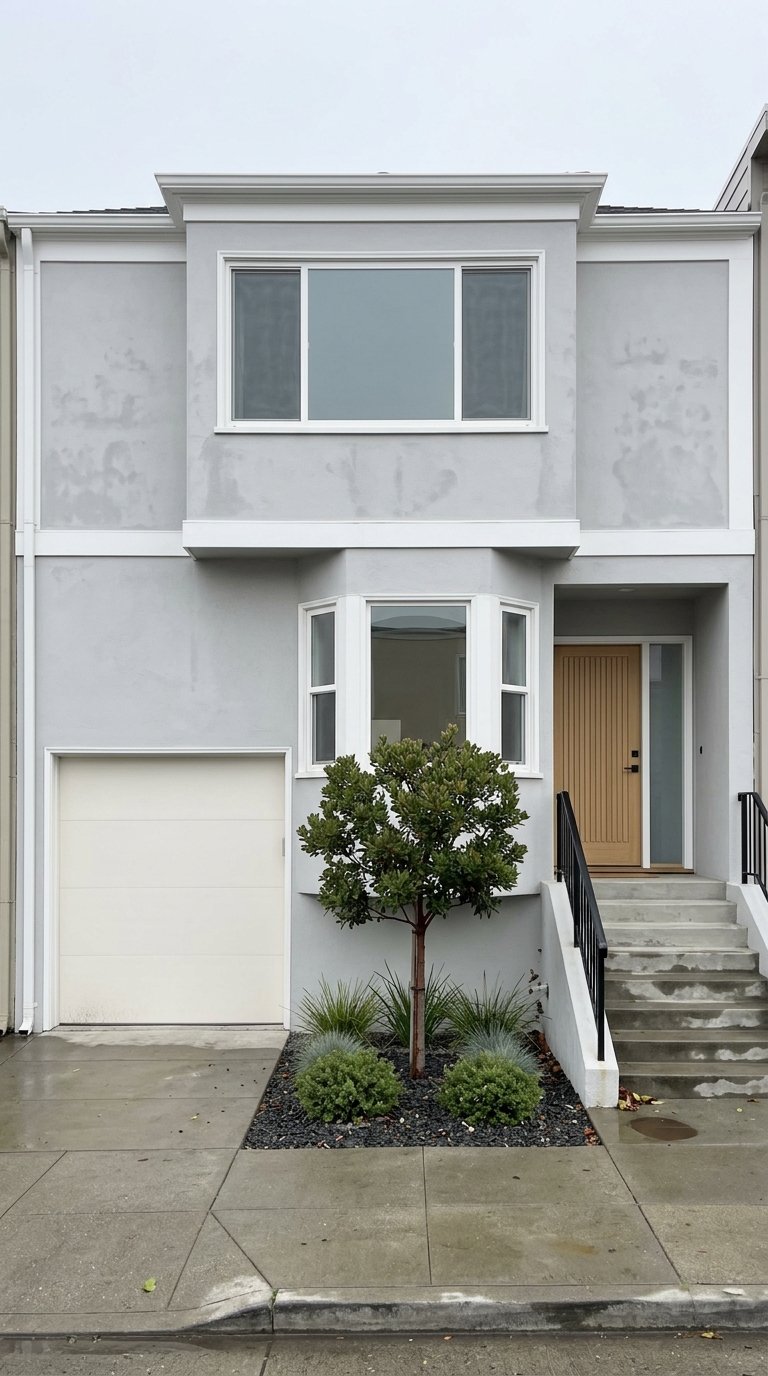
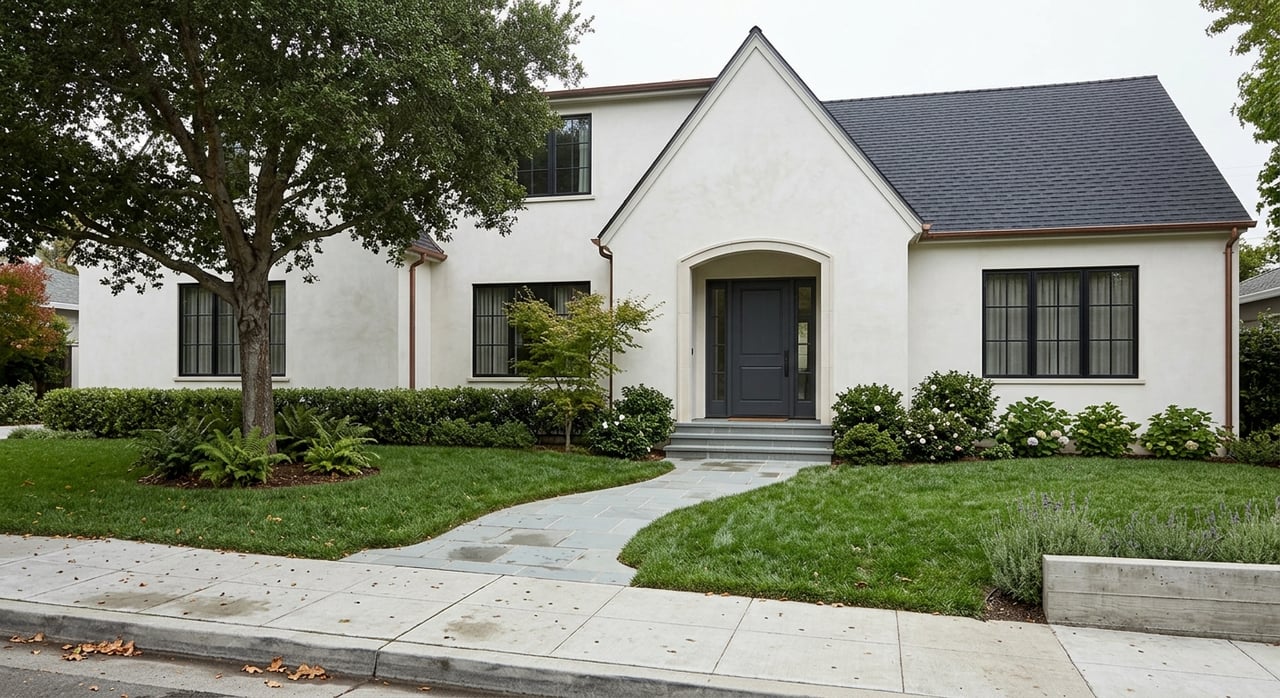
In St. Francis Wood, exterior presentation carries extra weight because the neighborhood identity is closely tied to mature landscaping, parkways, and public green space. Clean edges, tidy planting, and a welcoming front approach can help your home feel aligned with its surroundings.
Stage for the home you have
Staging is not just about decoration. It helps buyers understand scale, flow, and how the home lives day to day.
According to the National Association of Realtors’ 2025 Profile of Home Staging, 29% of sellers’ agents said staging produced a 1% to 10% increase in the dollar value offered, and 49% said staging reduced time on market. Buyers most often focused on the living room, primary bedroom, and kitchen.
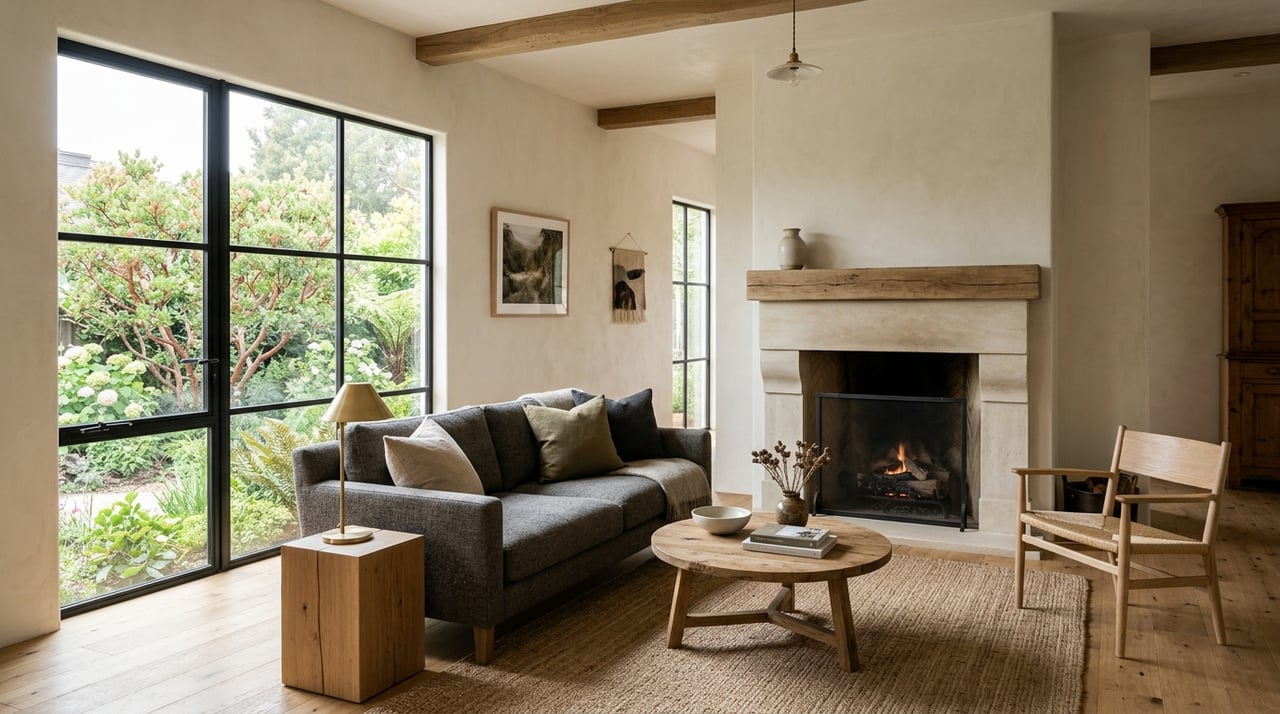
For a St. Francis Wood home, the goal is usually not to make the property look like a brand-new tract house. A better strategy is to stage in a way that respects original architecture, highlights natural light, and makes the home feel polished without stripping away its character.
Build a cleaner sale package
A successful sale is not only about getting an offer. It is also about reducing surprises once you are in contract.
In a neighborhood with older housing stock and fewer direct comps, a cleaner sale package can help buyers feel more confident. That usually means accurate pricing, organized disclosures, visible maintenance work, and presentation that supports the home’s strengths from day one.
When these pieces work together, you put yourself in a stronger position to attract serious buyers and navigate negotiations with more clarity. That is especially helpful in a market where some homes may move quickly, but buyer expectations around condition and transparency remain high.
A practical seller checklist
Before you list, it helps to organize your priorities in a simple order:
- Review the most relevant neighborhood comps
- Set a pricing strategy based on condition and competition
- Gather disclosures and property documentation
- Address visible maintenance and safety issues
- Refresh landscaping and entry presentation
- Stage key rooms, especially the living room, primary bedroom, and kitchen
- Launch with a complete, polished presentation from the start
If you are preparing to sell in St. Francis Wood, the right plan should reflect both the numbers and the neighborhood. For a pricing strategy rooted in local context and thoughtful presentation, connect with Matt Ciganek for a personalized consultation.
FAQs
What is the best way to price a home in St. Francis Wood?
- The best approach is usually to start with the closest comparable single-family sales and adjust for lot size, architectural character, updates, condition, and presentation rather than relying on broad city averages or one headline neighborhood number.
How fast do homes in St. Francis Wood usually sell?
- Recent neighborhood research described St. Francis Wood as very competitive, with a typical pending time of about 11 days over the last 12 months, but timing can vary because the number of sales is small.
What disclosures do St. Francis Wood sellers need in California?
- Sellers of one-to-four-unit residential properties generally need to provide a Real Estate Transfer Disclosure Statement, natural hazard disclosures, and any other required disclosures tied to the property’s age and condition.
Do older St. Francis Wood homes need lead-based paint disclosures?
- Yes, many do, because many homes in the neighborhood were built before 1978, which commonly triggers federal lead-based paint disclosure requirements if the home meets the age criteria.
What repairs should sellers make before listing a St. Francis Wood home?
- Sellers usually benefit most from fixing visible issues such as deferred maintenance, paint failure, drainage concerns, worn fixtures, safety items, and exterior presentation issues that buyers are likely to notice quickly.
Does staging really help when selling a St. Francis Wood home?
- Yes, staging can help buyers connect with the home, and NAR research found that many sellers’ agents believe staging can increase offered value and reduce time on market.