Trying to choose between West Portal and St. Francis Wood for your next home move? If you are stepping up from a condo, a smaller single-family home, or a tighter lot, this is one of those San Francisco decisions where the right answer depends on how you want to live day to day. One neighborhood offers a lively village feel with strong transit access, while the other delivers a more polished, park-like setting with larger lots and a higher price tag. Let’s dive in.
West Portal vs. St. Francis Wood
West Portal and St. Francis Wood sit close to each other geographically, and both grew out of westward expansion after 1906 and the opening of the Twin Peaks tunnel. Even so, they were shaped by different ideas from the start.
St. Francis Wood was planned as a residence park, with landscaped streets, parks, and a more unified architectural framework. West Portal grew around a streetcar portal and commercial corridor, with homes surrounding an active transit and shopping hub. That difference still shows up clearly when you compare the feel of each neighborhood today.
Why West Portal appeals to move-up buyers
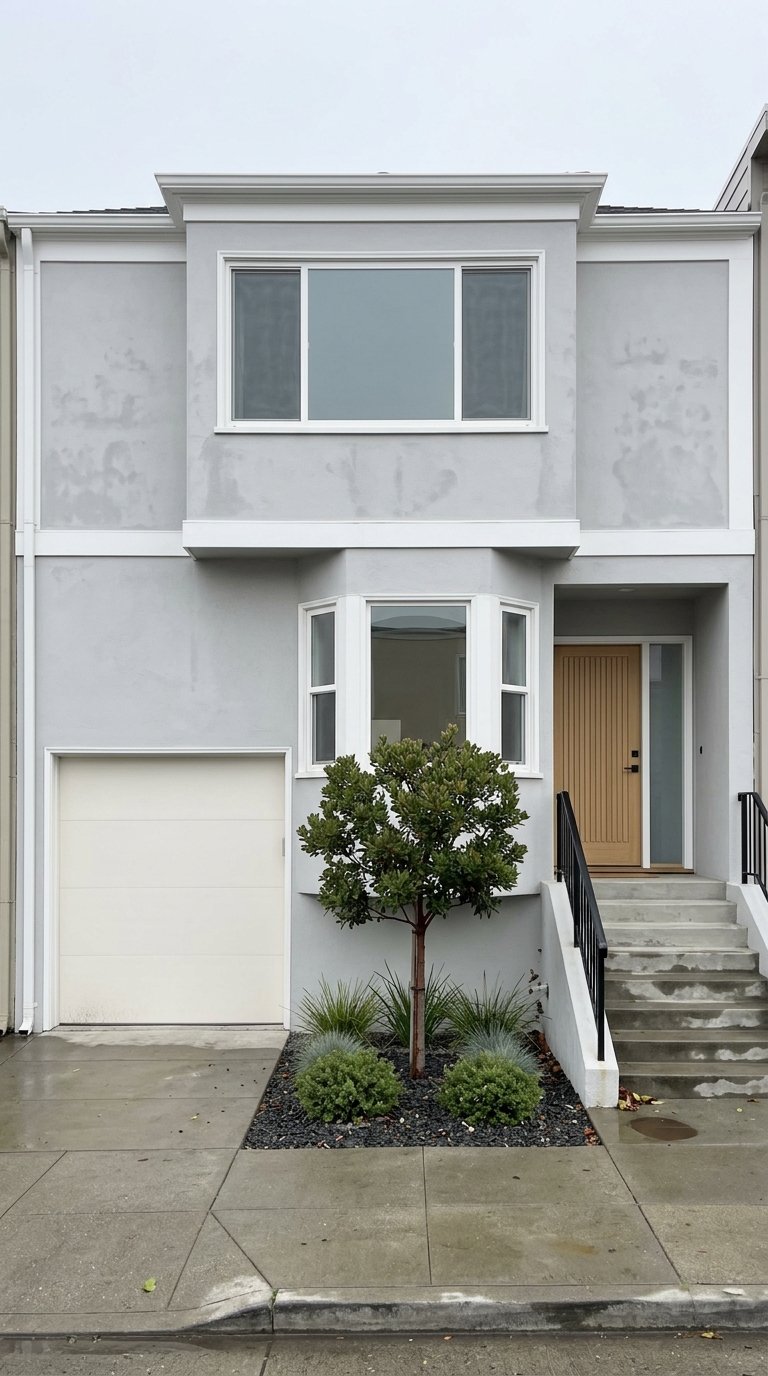
For many move-up buyers, West Portal offers a practical mix of detached homes, neighborhood character, and everyday convenience. It tends to feel more like a village, where shops, transit, and residential streets all connect in a compact area.
Local history and planning materials describe West Portal as a neighborhood of high-quality detached homes developed mainly in the 1910s and 1920s. Unlike a tightly controlled residence park, it evolved with more architectural variety and a more mixed streetscape.
West Portal has more daily energy
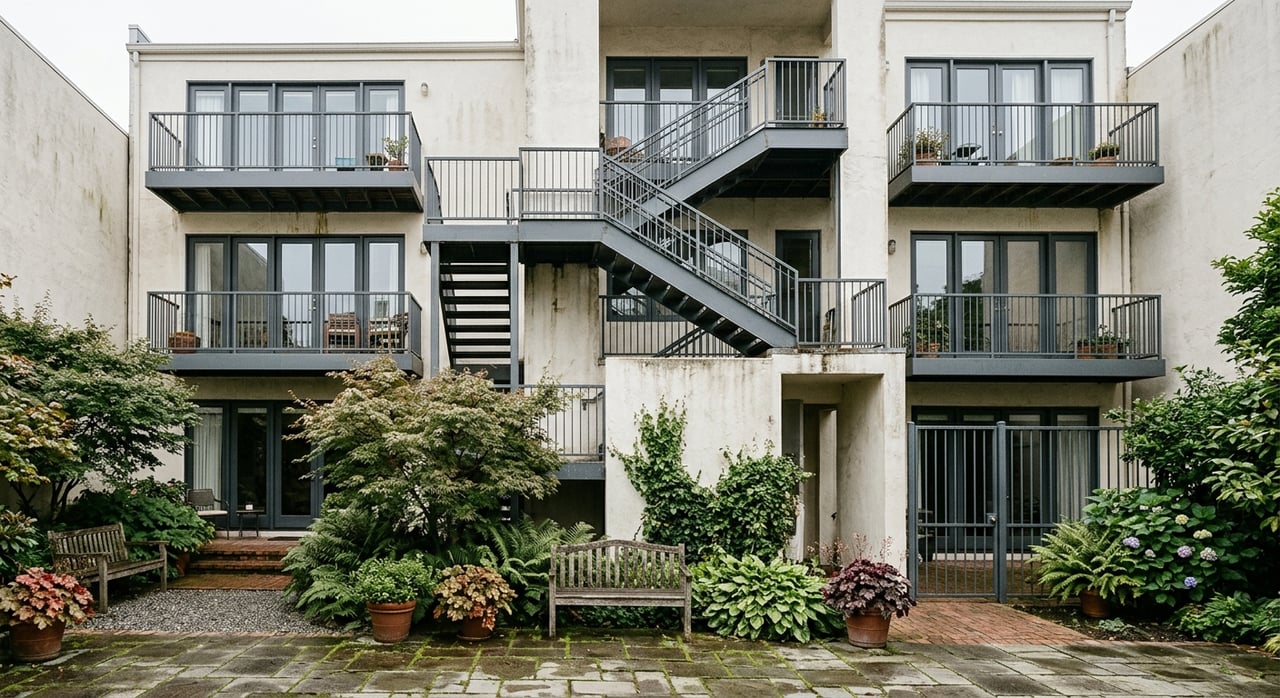
West Portal Avenue is primarily commercial and runs for less than half a mile from the Muni station toward Sloat Boulevard. Planning materials describe it as pedestrian-oriented, with fine-grained storefronts, nearby single-family homes, and some apartments or homes above shops.
If you want your move-up home to come with easy access to errands, transit, and neighborhood activity, that setup matters. West Portal functions as a daily-use hub, not just a quiet residential pocket.
West Portal offers transit convenience
Transit is one of West Portal’s strongest advantages. According to SFMTA, West Portal Station is a key connection point where three rail lines and two bus routes serving 50,000 daily riders intersect.
The station page identifies K Ingleside, L Taraval, and M Ocean View service. The station area also connects closely to the commercial corridor, playground, and library, which reinforces how integrated the neighborhood is for daily routines.
West Portal homes show more variety
Architecturally, West Portal is more varied than St. Francis Wood. Local history sources note Colonial Revival, Tudor, Spanish, Italianate, and Marina-era styles, with no single strict pattern across the neighborhood.
That variety can be a real plus if you want west-side charm without a highly uniform visual environment. For some buyers, it creates a more flexible and approachable feel as they search for the right fit.
Why St. Francis Wood appeals to move-up buyers
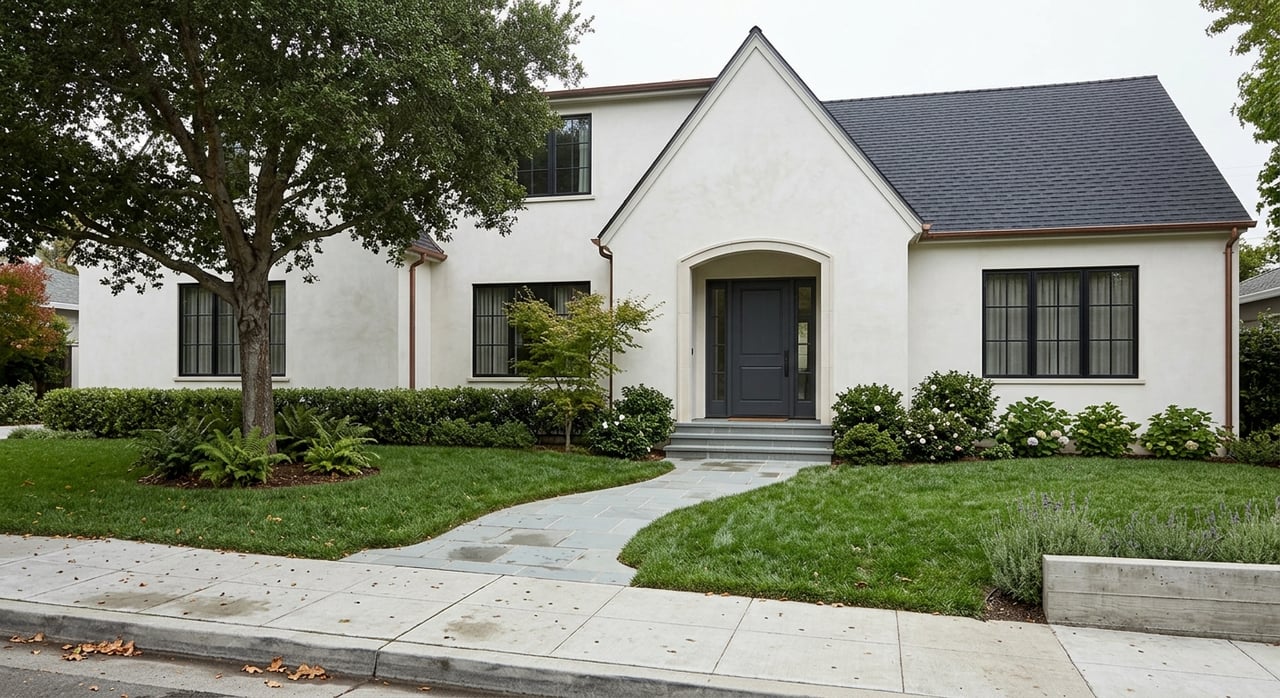
St. Francis Wood tends to attract buyers who want more visual cohesion, larger lots, and a quieter interior streetscape. If your move-up goal is not just more house, but a more formal residential setting, this neighborhood often stands out.
The area is described in the California National Register draft as a designed residence park with landscaped boulevards, community parks, open spaces, and architect-designed single-family homes built in a relatively concentrated period. Its street system follows the topography with curving roads and notable shared landscape features.
St. Francis Wood feels more curated
The neighborhood retains entrance portals, fountains, medians, and other planned landscape elements. It also includes seven parks, most owned and maintained by the St. Francis Homes Association.
That helps explain why the streetscape feels especially polished. If you value a stronger sense of design continuity and a more park-like setting, St. Francis Wood is likely to check those boxes more than West Portal.
St. Francis Wood often means more land
The original development used design restrictions related to size, setback, and scale. Historic district materials also note that St. Francis Gardens lots were typically 40 to 50 feet wide.
In practical terms, that usually means a more generous lot pattern than what you will find in much of West Portal. For a move-up buyer focused on more outdoor space, more setback, or a greater sense of separation between homes, that difference can be important.
St. Francis Wood has stronger architectural unity
St. Francis Wood is known for Spanish Colonial Revival, Mediterranean Revival, Tudor Revival, and Italian Renaissance Revival homes. The neighborhood is also associated with major Bay Area architects and landscape architects.
The result is a more unified visual experience, with formal frontages and a consistent residential character. If you are drawn to classic San Francisco architecture presented in a more cohesive setting, St. Francis Wood has a distinct edge.
Price is a major dividing line
For most move-up buyers, budget will be one of the clearest decision points. Recent Redfin neighborhood data from March 2026 showed a median sale price of $1.525 million in West Portal and $3.66 million in St. Francis Wood.
That is a substantial gap. It is also worth noting that both neighborhoods had only four sales that month, so the medians are useful but sensitive to small sample size.
Price per square foot tells part of the story
Redfin also reported West Portal at about $1.32K per square foot, compared with about $760 per square foot in St. Francis Wood. That spread lines up with the different housing stock in each neighborhood.
West Portal generally has smaller and more varied homes, while St. Francis Wood tends to offer larger-lot, more estate-like properties. So even though St. Francis Wood usually requires a much higher overall budget, the price per square foot can look lower because the homes and lots are often larger.
How to think about the tradeoff
If you are comparing these two neighborhoods, the best question is not which one is better. The better question is which tradeoff fits your priorities.
West Portal emphasizes convenience, transit access, and a village-like rhythm. St. Francis Wood emphasizes scale, privacy, and landscape continuity.
Choose West Portal if you value convenience
West Portal may be the better fit if you want:
- A lower-cost entry point into west-side detached-home ownership
- Strong access to Muni rail and nearby daily amenities
- A neighborhood with more street activity and commercial life
- A wider mix of home styles and streetscapes
For buyers moving up but still trying to stay disciplined on budget, West Portal can offer a practical middle ground between lifestyle and price.
Choose St. Francis Wood if you value setting
St. Francis Wood may be the better fit if you want:
- A materially larger home budget translated into more land and scale
- Quieter interior streets and a more residential feel
- A curated neighborhood aesthetic with stronger design unity
- A classic residence-park setting with shared landscape features
If your move-up purchase is as much about long-term lifestyle as square footage, St. Francis Wood often feels more formal and more intentionally composed.
Schools and location details to verify
If schools are part of your home search, it is important to verify attendance and program options by address. SFUSD uses an address-based School Finder, so neighborhood location alone does not guarantee a specific assignment.
In the broader west-side school network, the SFUSD directory lists West Portal Elementary at 5 Lenox Way, Clarendon Alternative Elementary at 500 Clarendon Avenue, and Aptos Middle at 105 Aptos Avenue. For any property you are seriously considering, it is smart to confirm the current details directly by address.
A smart move-up strategy starts with clarity
Both West Portal and St. Francis Wood can work well for a move-up purchase, but they serve different goals. One gives you a livelier, more connected daily experience at a lower price point, while the other offers a more formal residential setting with more land and a significantly higher entry cost.
If you want to compare these neighborhoods through the lens of value, lot size, resale potential, and day-to-day livability, working with someone who knows San Francisco block by block can make the decision much clearer. For a personalized consultation or home valuation, connect with Matt Ciganek.
FAQs
What is the main difference between West Portal and St. Francis Wood for buyers?
- West Portal is centered more on transit, shops, and a village feel, while St. Francis Wood is known for a quieter residence-park setting, larger lots, and stronger architectural unity.
How do West Portal and St. Francis Wood home prices compare?
- In March 2026, Redfin reported a median sale price of $1.525 million in West Portal and $3.66 million in St. Francis Wood, though both neighborhoods had only four sales that month.
Is West Portal better for transit access than St. Francis Wood?
- West Portal has a clear transit advantage because West Portal Station connects K Ingleside, L Taraval, and M Ocean View service and functions as a major daily-use hub.
Does St. Francis Wood usually offer larger lots than West Portal?
- Yes. Historic district materials describe St. Francis Wood as having a more generous and controlled lot pattern, with St. Francis Gardens lots typically 40 to 50 feet wide.
How should buyers verify schools near West Portal or St. Francis Wood?
- Use SFUSD’s address-based School Finder for the specific property you are considering, since attendance and program options should be verified by address rather than assumed by neighborhood.