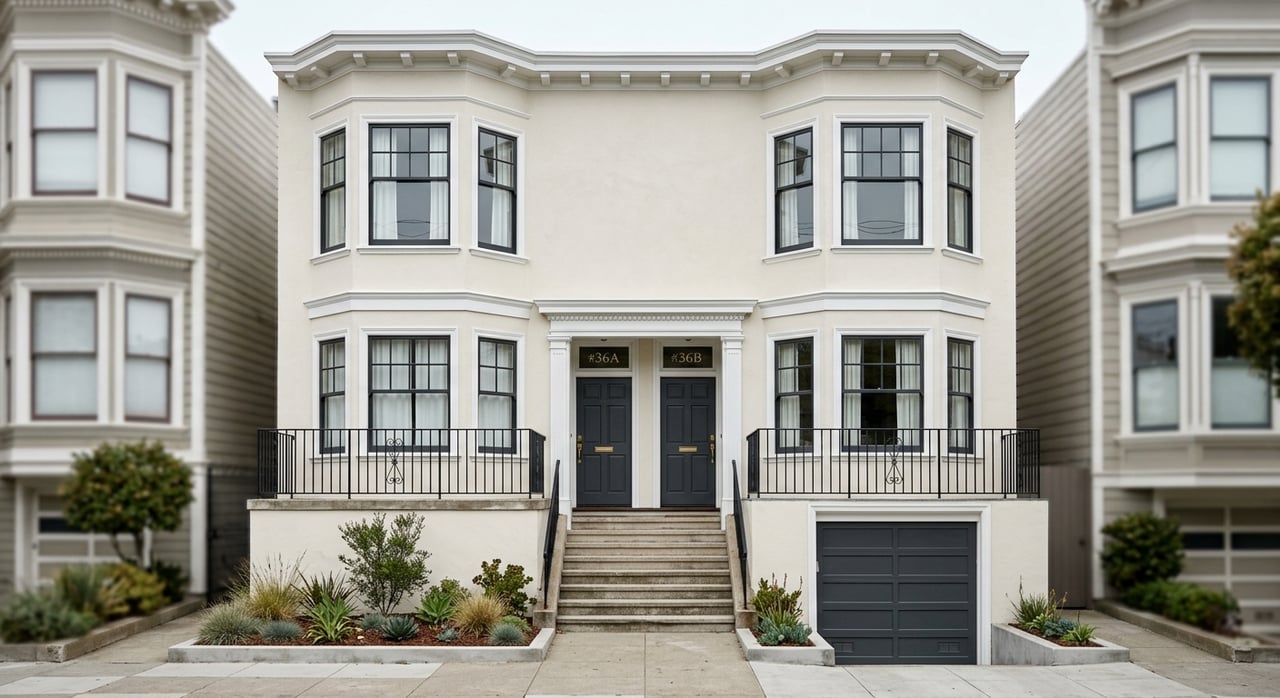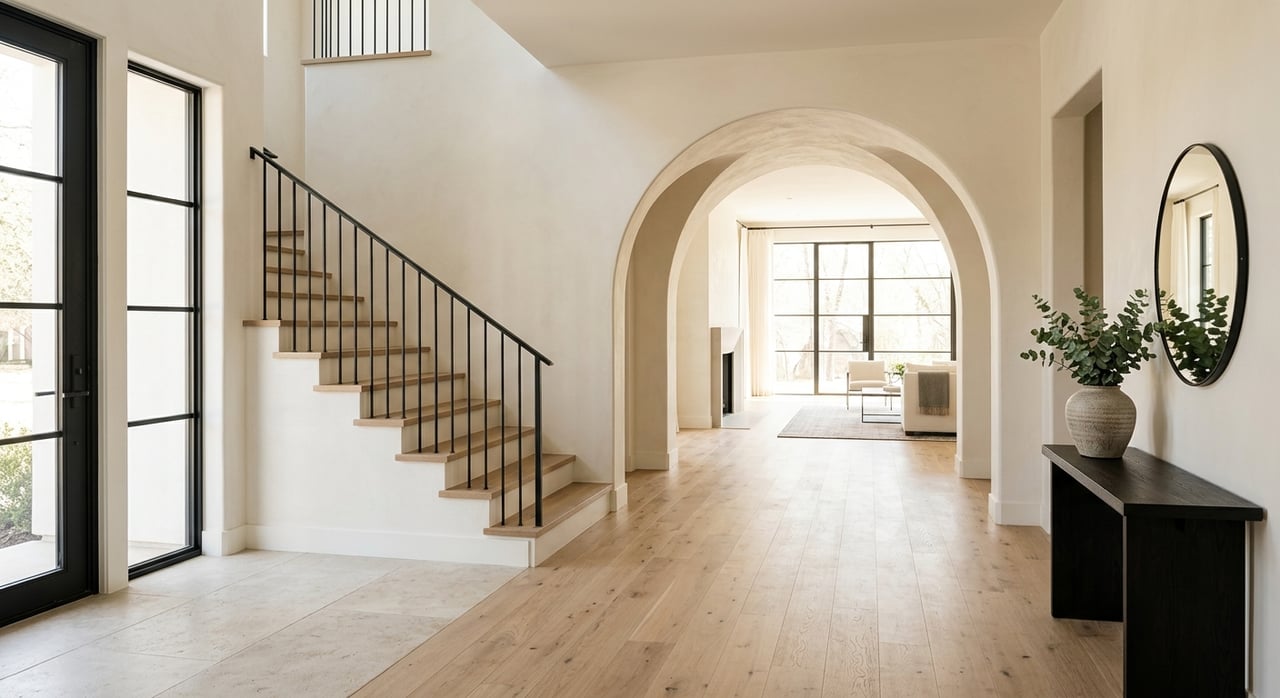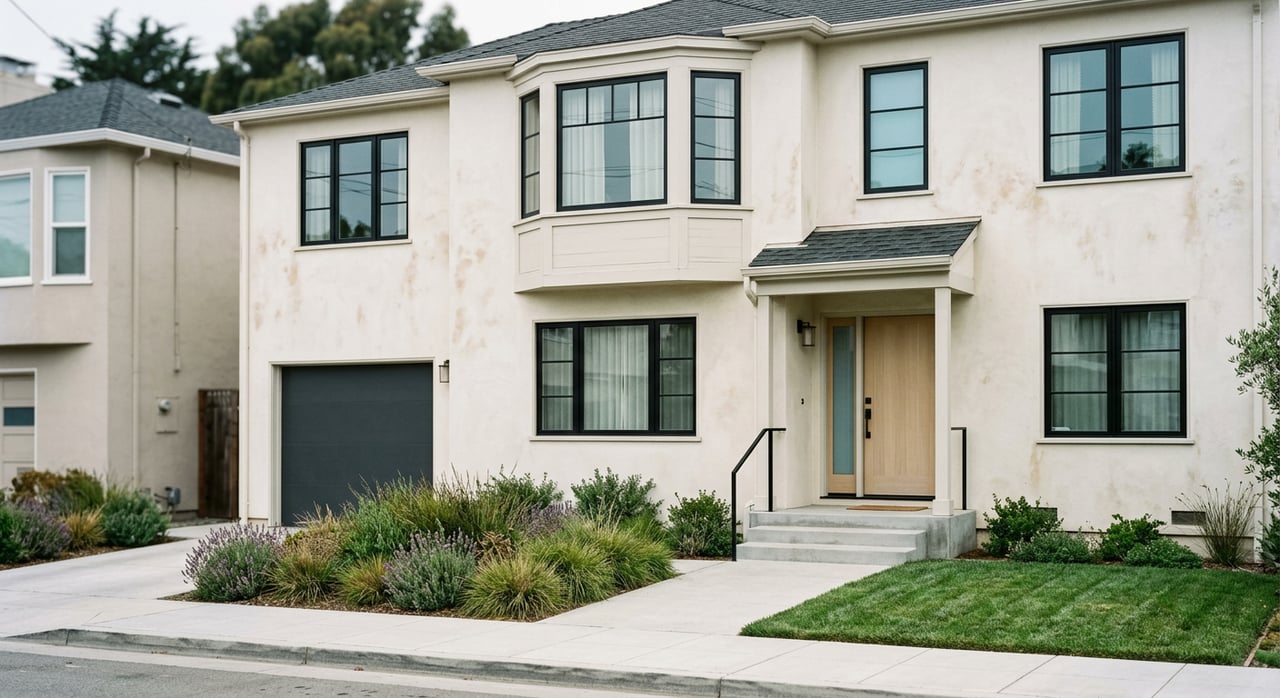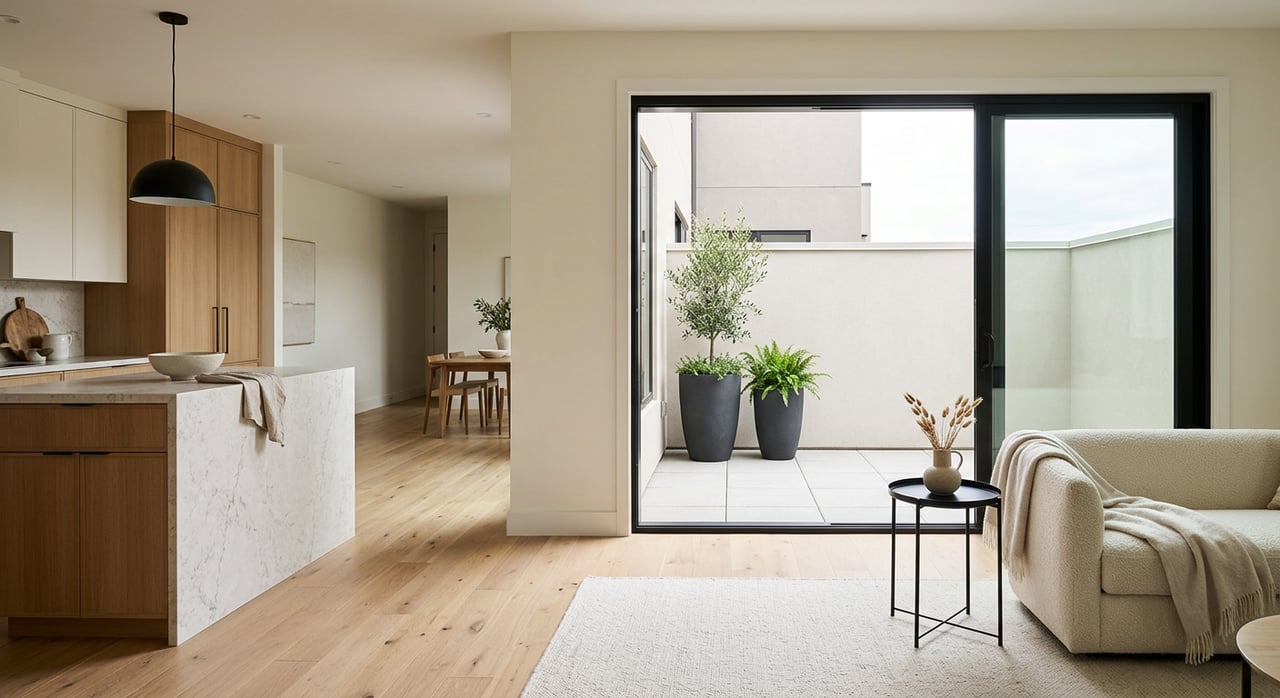
Are you weighing a Noe Valley single-family home against a condo for your next move? You are not alone. Noe Valley’s family-friendly feel and quick market pace make this a common decision for move‑up buyers and young families. In this guide, you will see how price, space, monthly costs, financing, and resale play out in Noe Valley so you can choose with confidence. Let’s dive in.
Noe Valley at a glance
Noe Valley is one of San Francisco’s most competitive, family-focused neighborhoods with a village feel centered on 24th Street, the Town Square, and a popular weekly farmers market. Local groups highlight these community anchors as core lifestyle benefits for families and professionals who want walkable daily routines. You can explore these features through the Noe Valley Association’s neighborhood resources.
As of January 2026, Redfin reported a neighborhood median sale price around $2.25 million across all property types, a median of about 19 days on market, and a sale-to-list ratio near 110.6%. That pace signals strong demand for well-priced single-family homes and turnkey condos. Keep in mind that individual properties can vary widely based on condition, location, and outdoor space.
Price and purchasing power
Local snapshots in 2025–early 2026 show a consistent price gap between single-family homes and condos/TICs in Noe Valley. Single-family medians often trade in the roughly $2.25 million to $3.15 million band, while condos/TICs commonly cluster around $1.3 million to $1.65 million depending on the quarter and provider. Put simply, houses often price at about 1.5 to 2.2 times comparable condo medians in the neighborhood.
Price per square foot ranges widely by data source and property type. Recent neighborhood intelligence reports show figures spanning roughly $1,100 to $2,000+ per square foot depending on the sample and period. Review recent sales through a trusted source like Listalysis neighborhood market intelligence when you get serious about a purchase.
What your budget buys
- With a condo budget, you often secure a larger or better-finished unit than a similarly priced house. You also may be closer to 24th Street amenities.
- With a house budget, you pay a premium for land, privacy, and flexible space. That premium reflects long-term scarcity in fee-simple properties.
- Always pencil your “all-in” monthly cost. Factor mortgage, taxes, insurance, HOA (if any), utilities, and a maintenance reserve to compare apples to apples.
Space, layout, and outdoor living
Single-family homes typically deliver more contiguous square footage and private outdoor space. Many lots are city-scale, often around 2,500 to 3,000 square feet, and period homes frequently include usable yards or decks that families value for play, pets, and gardening. Storage and dedicated garages are also more common with houses.
Condos and TICs often offer smaller indoor footprints and less private outdoor area. You will see a mix of small decks, shared gardens, or rooftop access rather than a private yard. Shared spaces can be great for low-maintenance living, but they are not identical to private outdoor play space if that is a top priority.
Parking, transit, and convenience
Parking is a real value driver in San Francisco. A dedicated garage or deeded parking stall supports day-to-day convenience and resale value, and it can influence your monthly budget. If you consider a condo, verify whether parking is deeded or assigned and whether it is tandem.
Noe Valley’s location also works well for commuters and families. The neighborhood offers access to Muni’s J-Church line, nearby 24th Street retail, and connections to I-280 and US‑101. For many buyers, this walkable and transit-friendly setup helps narrow the perceived gap between housing types.
Carrying costs: HOA vs maintenance
Condos come with HOA dues that cover shared expenses. Typical San Francisco HOA fees range roughly from $400 to $1,100 or more per month, with some surveys showing a city median near about $550 among fee-paying units. Fee levels and inclusions vary by building and amenities, so review what is covered using guidance like this overview of average HOA fees in California.
Understanding reserves matters. HOA dues usually split into operating costs and contributions to reserves for future projects. Ask for the budget and the most recent reserve study, and read board minutes to identify potential special assessments or litigation. Resources like what a reserve study covers can help you interpret documents.
With single-family homes, you avoid HOA dues but carry full responsibility for upkeep. Budget for routine maintenance, systems replacement, and periodic capital projects. In San Francisco, you should also consider potential seismic work; this guide to seismic retrofit costs in San Francisco outlines typical scopes and cost ranges.
Financing and resale
Condo financing depends on the building’s eligibility under GSE project rules. Lenders use tools and standards that look at budget health, reserves, owner-occupancy, and more. Learn how lenders evaluate buildings through Freddie Mac’s Condo Project Advisor overview. If you plan to use FHA or VA options, ask about Single-Unit Approval and its conditions using this NAR summary of FHA’s condominium rules.
Some Noe Valley multi-unit properties are TICs rather than recorded condos. TIC financing is more specialized and may require larger down payments, which can reduce the buyer pool at resale. If a listing is a TIC, involve a lender who regularly underwrites these loans early in your process.
Single-family homes often draw strong, needs-based demand from buyers who value yards and garages. That dynamic can support resilience in tight inventory cycles. Condos typically reach a broader but sometimes more rate- and HOA-sensitive audience, so project health and market context play a bigger role in pricing and time to sell.
Long-term value drivers
San Francisco’s constrained land supply, neighborhood character controls, and slow turnover shape long-term value. In family-friendly areas like Noe Valley, this scarcity helps explain why fee-simple houses often command a premium over time. The San Francisco Chronicle’s coverage of local housing pressures offers helpful context on supply constraints.
Condo values can be more sensitive to lending standards, HOA health, and broader supply across the city. Noe Valley does not have a large stock of new high-rise towers, which reduces local oversupply risk, but financing and assessments still matter.
If you are thinking about flexibility and future income, consider whether a house provides a path to add an accessory dwelling unit. The city outlines the rules and permitting pathways for ADUs on the SF Department of Building Inspection ADU page. Not every property will qualify, so verify zoning, condition, and seismic needs.
Quick decision framework
- Choose a single-family home if you want private outdoor space, a garage, room to grow, and you expect to stay 7 or more years. The higher upfront price and maintenance are the tradeoffs for land and flexibility.
- Choose a condo if you prefer a lower entry price, less day-to-day upkeep, and a lock-and-leave lifestyle close to 24th Street. Be rigorous about HOA health, reserves, litigation, and financing.
- If financing flexibility matters, discuss condo project eligibility and any FHA/VA Single-Unit Approval needs with your lender early. If the property is a TIC, get pre-approved with a lender experienced in TIC loans before you write.
Due-diligence checklist
- Pricing check:
- Pull the latest neighborhood medians and recent comps to confirm current conditions.
- For condos and TICs, request and review:
- HOA budget and the most recent reserve study, if available. See what a reserve study typically covers.
- Board meeting minutes for the last 12–24 months to spot upcoming projects or special assessments.
- Master insurance declarations and deductible levels.
- Owner-occupancy ratio, delinquency rate, and any rental caps.
- Estoppel or disclosure of pending assessments.
- Financing checkpoints:
- Ask your lender to confirm condo project eligibility and timing. For background, see Freddie Mac’s project eligibility overview and FHA condominium rules.
- For TICs:
- Obtain and read the TIC agreement. Confirm your lender can finance your specific TIC interest.
- For single-family homes:
- Verify permits for prior work, check for open permits or code issues, and confirm seismic retrofit status. Explore ADU potential and rules on the SF DBI ADU page.
- Monthly cost planning:
- Compare your all-in monthly cost: mortgage, insurance, HOA if applicable, utilities, and a maintenance reserve.
- Use the San Francisco secured property tax rate. The city’s information on the secured property tax process is on the SF Treasurer’s site. For planning, many buyers estimate around 1.18% of assessed value.
The bottom line
If you value land, private outdoor space, and long-term flexibility, a Noe Valley single-family home can be worth the premium. If you prefer a lower entry price, easy upkeep, and prime proximity to 24th Street, a condo can be the right fit with careful attention to HOA health and financing.
Your next step is to map your lifestyle needs to your financing and monthly budget, then tour both property types to feel the tradeoffs in person. If you want a data-forward, neighborhood-savvy partner to guide you through that process, connect with Matt Ciganek for a personalized plan.
FAQs
What is the current Noe Valley median price?
- As of January 2026, Redfin reported about $2.25 million across all property types, with a median of roughly 19 days on market and a sale-to-list ratio near 110.6%.
How much are typical condo HOA fees in San Francisco?
- Many urban HOAs range roughly from $400 to $1,100+ per month, with some surveys showing a city median near about $550 among fee-paying units, and coverage varies by building and amenities. See this overview of average HOA fees in California.
What seismic issues should I check before buying?
- For condos, review building retrofit history and planned work; for houses, confirm bolting and bracing and budget for potential upgrades. This guide to San Francisco seismic retrofit costs gives useful context on scopes and pricing.
How do condo project rules affect my mortgage?
- Lenders evaluate building eligibility and financials under GSE standards, and FHA/VA buyers may need Single-Unit Approval in some cases. See Freddie Mac’s overview and FHA condominium rules summarized by NAR.
Are houses or condos better for long-term value in Noe Valley?
- Houses typically command a premium due to land scarcity and limited turnover in family neighborhoods, while condos can be more sensitive to lending and HOA factors. The San Francisco Chronicle’s coverage of supply constraints helps explain why scarcity supports long-term value.